
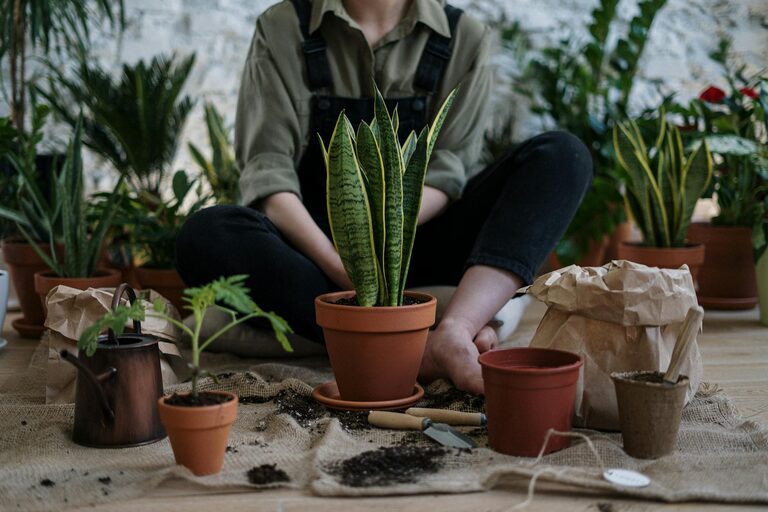
Starting a small herb garden indoors is a rewarding way to bring freshness and flavor into your kitchen while adding a touch of greenery to your living space. Whether you have a sunny windowsill or a small corner in your home, you can easily grow herbs that will enhance your cooking and provide a satisfying gardening experience.
In this guide, we’ll walk you through everything you need to know to begin your indoor herb garden, including choosing the right herbs, setting up your space, and caring for your plants.
Why Grow Herbs Indoors?
Growing herbs indoors has many benefits. Fresh herbs are readily available for cooking, saving you trips to the store. Indoor gardening is also a great way to add natural beauty and improve air quality. Plus, herbs like basil, parsley, and mint are relatively easy to grow, making them perfect for beginners.
Choosing the Right Herbs for Your Indoor Garden
Not all herbs thrive indoors, so it’s important to pick varieties suited for indoor conditions. Here are some popular and easy-to-grow herbs:
– Basil: Loves sunlight and warmth; excellent for Italian dishes.
– Parsley: Adaptable and low maintenance; holds well indoors.
– Mint: Very hardy but prefers indirect light and regular watering.
– Chives: Requires moderate light; great for garnishing.
– Thyme: Needs bright light and well-drained soil.
– Cilantro: Grows best in cooler conditions with plenty of light.
– Oregano: Prefers sunny spots and dry soil between watering.
Start with 2–3 types to keep things manageable.
Selecting Containers and Soil
Containers
Use pots with drainage holes to prevent waterlogging, which can harm roots. You can use small terracotta pots, plastic containers, or even repurpose mugs—just ensure proper drainage.
Soil
Choose a good-quality potting mix designed for indoor plants. Avoid garden soil, which may be too dense and contain pests. Many stores offer soil with added fertilizers suitable for herbs.
Finding the Perfect Spot in Your Home
Most herbs need at least 6 hours of sunlight daily. A south- or west-facing windowsill is ideal. If natural light is limited, consider using a grow light to provide the necessary spectrum for photosynthesis.
Make sure the space is not drafty or too close to heating vents, as herbs prefer stable temperatures around 65–75°F (18–24°C).
Planting Your Herbs
You can start your indoor herbs from seeds or buy young plants from a nursery.
From Seeds
- Fill your containers with potting soil, leaving about half an inch at the top.
- Sprinkle seeds according to packet instructions, usually a few seeds per pot.
- Cover lightly with soil.
- Water gently but thoroughly.
- Keep the soil moist until seeds germinate.
- Carefully remove the plants from their nursery pots.
- Loosen root balls gently.
- Plant seedlings at the same depth as in their original pots.
- Water immediately to help them settle.
From Seedlings
Caring for Your Indoor Herb Garden
Watering
Herbs generally prefer slightly moist soil but not soggy. Water when the top inch of soil feels dry. Overwatering can cause root rot, so ensure pots drain well.
Light
Monitor your herbs for signs of insufficient light, such as leggy stems or pale leaves. Rotate pots weekly to promote even growth.
Feeding
Apply a balanced, water-soluble fertilizer every 4–6 weeks during the growing season. Avoid over-fertilizing, which can alter flavor and weaken plants.
Pruning and Harvesting
Regularly pinch back herbs to encourage bushier growth and prevent flowering, which can make leaves bitter. Harvest leaves by snipping them close to the stem, ideally in the morning for best flavor.
Troubleshooting Common Issues
– Yellow leaves: Could indicate overwatering or lack of nutrients.
– Leggy plants: Usually a sign of insufficient light.
– Pests: Indoor herbs can occasionally attract aphids or spider mites. Wipe leaves or use mild soapy water sprays if needed.
Bonus Tips for Success
– Use a tray beneath pots to catch excess water and protect surfaces.
– Group herbs with similar care needs together for easier maintenance.
– Experiment with pots of different sizes as plants grow.
– Enjoy the sensory benefits by rubbing leaves to release aroma as you tend your garden.
Conclusion
Starting a small herb garden indoors is a simple, enjoyable project that enriches your home and cooking. With the right herbs, proper care, and a little patience, you’ll soon have fresh, flavorful herbs at your fingertips. Happy gardening!